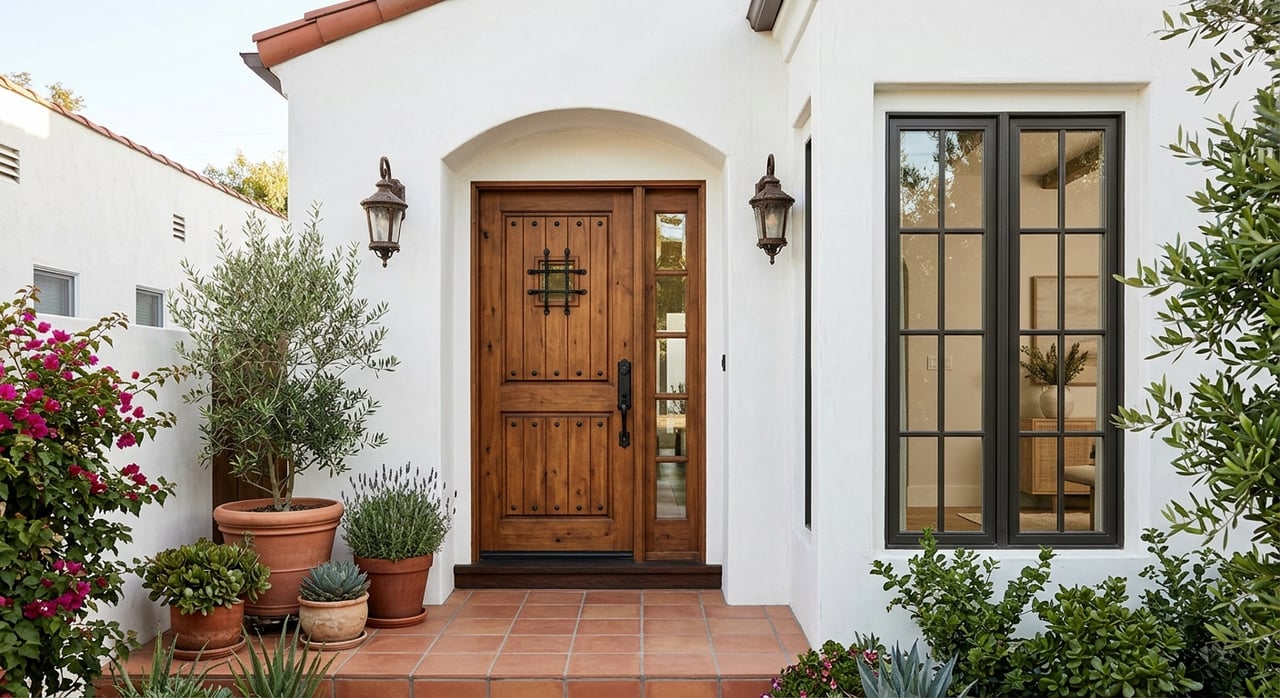
What A Turnkey Rental Really Means In Bakersfield
July 16, 2026
If you are shopping for rentals in Bakersfield, the word turnkey can sound like a shortcut to an easy investment. It suggests a property that is ready to produce income without surprise repairs, lease issues, or management problems. The catch is that in real estate, turnkey is often more of a marketing label than a strict definition. If you want to buy with confidence, you need to know what that label should really mean here in Bakersfield. Let’s dive in.
In investor conversations, turnkey usually means a property that is move-in ready or ready to rent with little owner effort. Some people also use it to mean pre-managed, and others use it for furnished properties. That overlap is exactly why you should be careful.
In Bakersfield, a property can look polished and still fall short of being truly turnkey. New paint, fresh flooring, and modern fixtures may improve appearance, but they do not tell you whether the roof, plumbing, electrical system, permits, lease file, or management setup are in good shape.
A more practical standard is this: a turnkey rental should be rentable without immediate catch-up work. That means the property should be physically habitable, legally supportable, and operationally ready for ownership.
Bakersfield has an active rental market, which is one reason turnkey listings get attention. As of June 29, 2026, Zillow reports an average rent of $1,812, with 821 rentals available and a range from $600 to $6,500. Census QuickFacts also shows a 60.6% owner-occupied housing rate and a median value of owner-occupied homes of $371,700 in Bakersfield.
Those numbers help explain investor interest, but they do not prove that any specific property is a solid deal. A renovated look does not confirm that the current rent is realistic, that the lease is clean, or that deferred maintenance has been handled.
That is why a turnkey claim should always be tested against the actual rent roll, the lease terms, and the property condition. In a market like Bakersfield, details matter more than presentation.
A true turnkey rental should first meet California habitability standards. Under California guidance, a rental unit must be fit for human occupation and substantially comply with health and safety rules before it is rented.
That baseline includes several core systems and safety items. A property should have weather protection from the roof and exterior, working plumbing with hot and cold water, functioning gas and heating systems, a working electrical system, sanitary grounds, adequate trash receptacles, safe floors and stairs, operable dead bolts and window security devices, smoke detectors, and carbon-monoxide detectors where required.
As of January 1, 2026, California guidance also says that a rental's habitability baseline includes a stove and refrigerator in good working order unless the tenant agrees to provide them. That is an easy item to miss if you are only focused on surface updates.
Minor cosmetic flaws do not automatically make a unit uninhabitable. But serious issues like structural hazards, inadequate sanitation, certain mold conditions identified by code or health officials, lead hazards, or documented meth contamination can make a property a very different investment than the listing suggests.
In Bakersfield, permit history is a big part of the turnkey conversation. City permit materials state that separate permits are required for each structure or work performed, including structural, mechanical, plumbing, and electrical work.
That means a remodeled kitchen or bathroom should not be treated as proof that the job was properly completed. Instead, it should prompt you to ask better questions. What work was done? Were permits required? Were they pulled and finalized where needed?
This is where many buyers can get tripped up. A property may show beautifully online and still come with unfinished permit questions that affect repairs, insurance discussions, future resale, or your timeline to place or keep tenants.
If a Bakersfield rental was built before 1978, there is another layer to verify. Federal lead-based paint disclosure rules require sellers, landlords, agents, and property managers of most pre-1978 housing to disclose known lead-based paint information and provide the required lead-hazard pamphlet before a sale or lease.
That does not mean every older property is a bad investment. It means older inventory requires a more careful document review, especially if the property is being marketed as simple, easy, or fully ready to go.
A real turnkey rental should come with paperwork that makes sense. If the listing story is strong but the file is thin, that is a sign to slow down.
California guidance notes that there is no single standard rental agreement, so you should review the actual lease and addenda instead of assuming the paperwork is routine. The agreement or posted notices should also identify the landlord or property manager contact for legal notices.
For investors, the important question is whether the rent history matches the unit's condition and the lease structure. If a property is presented as turnkey, the income side should be believable, documented, and consistent with what you are buying.
California's Tenant Protection Act can affect Bakersfield rentals even when the property seems straightforward. Covered units are subject to rent increase limits of 5% plus CPI or 10%, whichever is lower, and the law requires just cause after 12 months of lawful occupancy.
Some properties may be exempt, including certain newer housing with a certificate of occupancy issued in the prior 15 years, some owner-occupied two-unit properties, and some single-family homes and condos when ownership and notice requirements are satisfied. But whether a property is exempt depends on the exact facts, not on how casually the seller uses the word turnkey.
If the underwriting depends on future rent increases or a claimed exemption, that detail deserves close review. A cosmetic rehab does not answer a rent-rule question.
If you are buying a tenant-occupied rental in Bakersfield, the lease does not disappear when the property sells. California guidance states that when a landlord voluntarily sells a rental unit, the tenant's rights do not change because of the sale.
A fixed-term tenant can generally remain through the end of the agreement. A periodic tenancy can be ended only as allowed by law and with proper notice, and the sale does not change the tenant's rights related to the security deposit.
That matters because an occupied turnkey rental should be underwritten as an operating asset, not just as a remodeled building. You are buying the lease position, the rent stream, and the management transition along with the real estate.
Some listings use turnkey to imply that management is already in place. If so, that management setup should be reviewed with the same care as the roof or plumbing.
California DRE guidance advises landlords to confirm that a property manager has a valid and active DRE license to collect rent and manage the property, while noting that resident property managers do not need a real estate license. It also recommends reviewing the signed property-management agreement, understanding how repairs are approved and expensed, confirming monthly accounting, and verifying whether rents and security deposits are held in a trust account when funds are being held in escrow.
You should also ask how tenants are screened, including employment verification and prior rental or eviction history. A property is not truly turnkey if the management structure is vague, undocumented, or hard to transfer.
For duplexes, triplexes, and fourplexes, one clean-looking unit does not tell the whole story. Lease terms, deposits, rent history, and repair issues can vary from unit to unit.
That is why each unit should be reviewed separately. If one lease is under market, one deposit file is incomplete, or one unit has unresolved repair history, the overall investment picture changes.
Written repair requests, photos, and maintenance documentation can also help you understand whether the property has been consistently managed or simply refreshed for marketing.
In Bakersfield, the most defensible meaning of turnkey is fairly simple. The property should be habitable, permit-clean where required, supported by a believable rent roll, and either already under competent licensed management or ready for a buyer to install management quickly.
That is a much higher standard than updated. A cosmetic rehab can still hide deferred maintenance, missing permits, lease issues, or rent-rule complications.
If you are evaluating a turnkey rental, focus on whether the property is truly ready to perform, not just ready to photograph. That shift in mindset can help you avoid expensive surprises and make better long-term decisions.
If you want experienced guidance on evaluating Bakersfield rentals, multi-family opportunities, or the details behind an investor listing, Jeff Bussman offers the kind of steady, local insight that can help you sort marketing language from real value.




Get assistance in determining current property value, crafting a competitive offer, writing and negotiating a contract, and much more. Contact Jeff today.