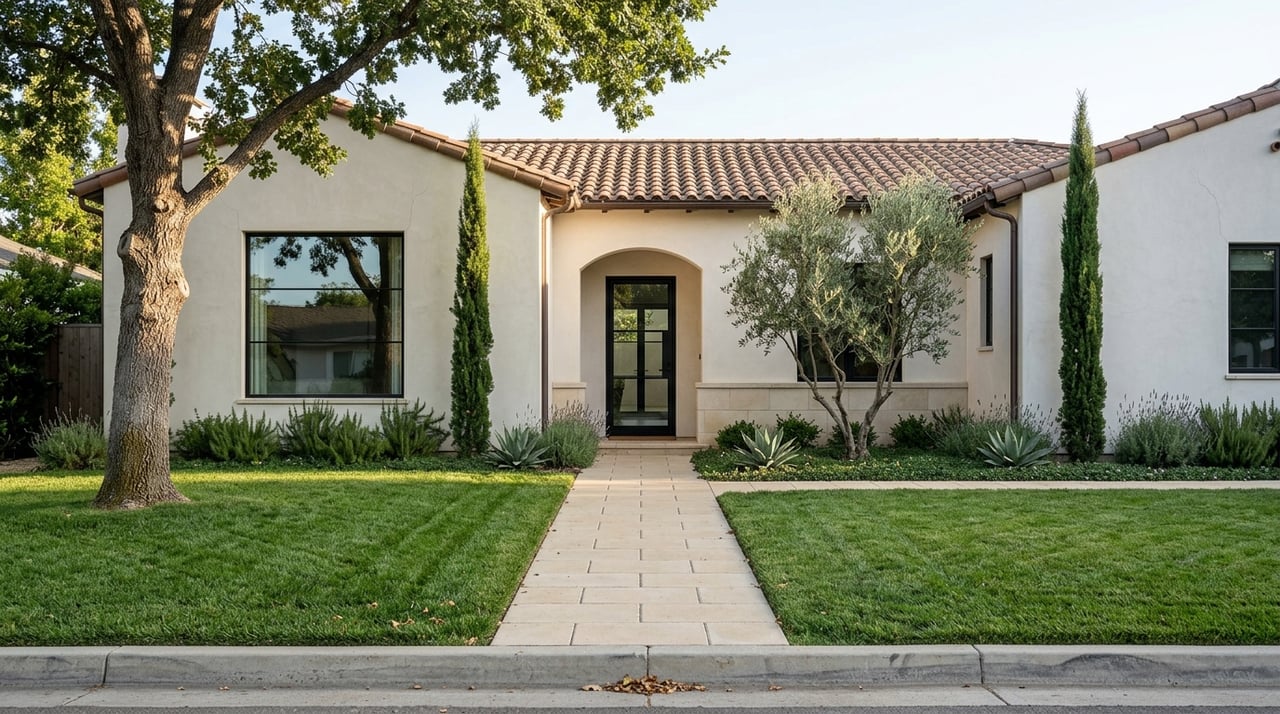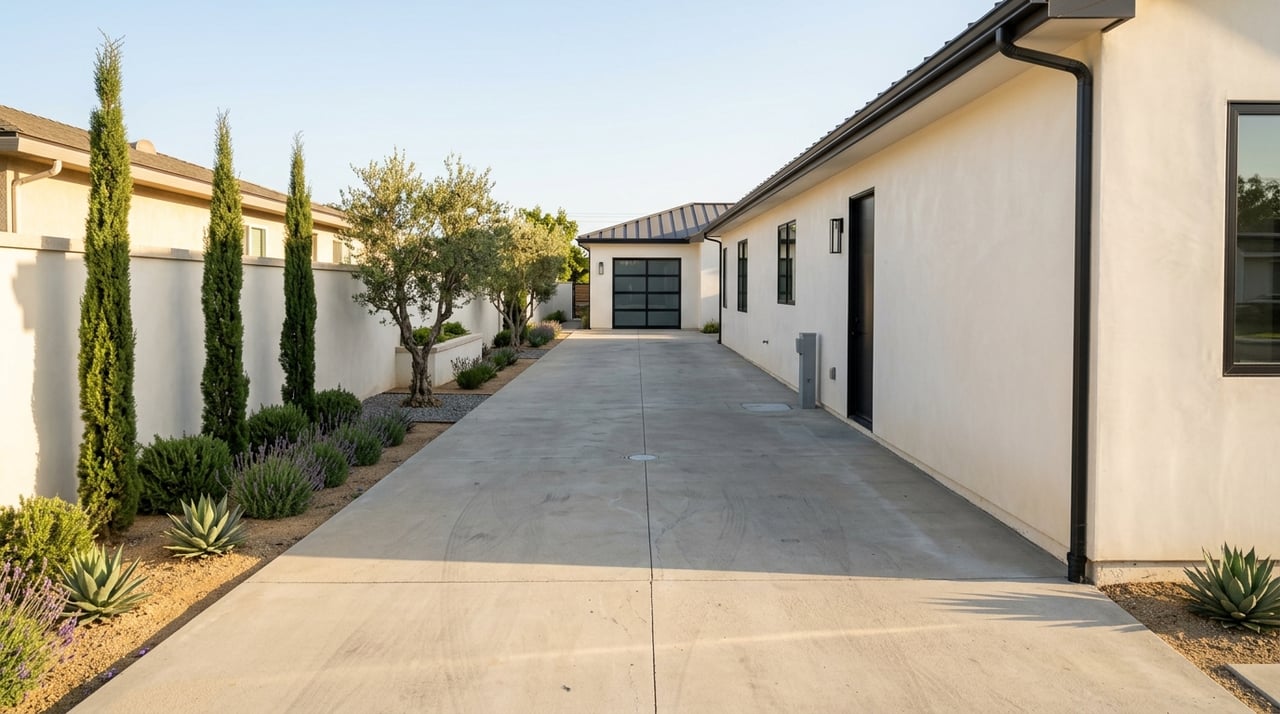
Torn between the energy of a golf course and the calm of lakeside living? You are not alone. Many move‑up buyers and relocating families compare these two lifestyle choices before making a decision. In this guide, you will learn how Seven Oaks and Riverlakes stack up on amenities, HOAs, homes and lots, commute considerations, costs and risks, plus a practical tour checklist to make your choice easier. Let’s dive in.
Who this guide is for
If you want a premium neighborhood with strong amenities and a clear community feel, this comparison is for you. You may be an active golfer, a water‑loving family, an empty‑nester, a commuter, or an investor curious about rental rules. You will find a balanced, practical look at how these two communities deliver different experiences.
Quick snapshot: head to head
- Seven Oaks: Golf‑forward living with manicured views, a social clubhouse scene, and year‑round play. Biggest trade‑off is potential club and HOA costs plus regular course maintenance nearby.
- Riverlakes: Lake‑centric living with water recreation, parks, and seasonal outdoor fun. Biggest trade‑off is potential flood considerations, shoreline care, and seasonal activity patterns.
Amenities and lifestyle
Golf lifestyle in Seven Oaks
If you want your week to orbit around tee times, practice sessions, or a relaxed clubhouse meal, Seven Oaks fits that rhythm. Golf communities typically offer on‑site practice facilities, dining, and programs for lessons or leagues. In many regions, golf can be played year‑round, so you get consistent activity throughout the seasons.
What to verify:
- Whether golf membership is mandatory or optional, and what it includes.
- Guest policies, club management structure, and whether the club is private or HOA‑operated.
- Typical maintenance windows for mowing or treatments so you know when early‑morning activity occurs.
Lake lifestyle in Riverlakes
If you picture weekends on the water, casual evening walks by the shore, or kids playing at beaches and parks, Riverlakes tends to deliver that vibe. Expect lakeside paths, parks, and water activities such as kayaking or fishing when allowed. Lake use often peaks in warm months, which brings a lively, family‑friendly feel during the season.
What to verify:
- Which amenities are open to all residents and what requires passes.
- Rules for boats, docks, or motor size where applicable.
- Maintenance routines for water quality, weed control, and shoreline care.
Community programs and extras
Both community types often feature pools, fitness spaces, courts, neighborhood events, and walking or jogging trails. Ask about calendars for social events, youth programs, and adult leagues, plus any security features or gate access. These extras can shape daily life more than you expect.
HOA and ownership realities
Fees and what they cover
Your monthly or quarterly HOA dues may cover common‑area landscaping, amenity upkeep, reserves, and management. Golf communities sometimes have separate club dues, and lake communities may have pass fees or lake maintenance assessments. Confirm if any memberships are mandatory and whether they adjust annually.
Key documents to request:
- Current HOA fee schedule and any separate club dues.
- Latest budget and reserve study to understand long‑term planning and reserves.
- Any recent or upcoming special assessments and their purpose.
CC&Rs you should read carefully
Covenants often set rules for exterior changes, landscaping, paint colors, fences, docks, solar panels, parking, pets, and rentals. Architectural review is common, especially for visible exterior work. If you plan to add an ADU, a pool, a dock, or remodel the exterior, confirm design rules, submittal timelines, and approval criteria. If you are an investor or plan to rent, check minimum lease terms or caps on the number of rentals.
Governance and transparency
A well‑run association will publish meeting minutes, budgets, and financials, and provide contact details for the manager. Ask about transfer fees at resale, capital contribution fees, and fine schedules. Strong reserves and clear communications reduce surprises during ownership and at resale.
Homes and lots: what to expect
Seven Oaks home and lot patterns
Golf‑oriented neighborhoods often include a mix of larger single‑story and two‑story homes with options for fairway views. Golf lots may be deep and linear along the course with hedges or fencing for privacy. If your home backs to a fairway, ask about cart path distance, screening, and whether the property has any history of ball strikes.
What to check at showings:
- Backyard orientation for sun, shade, and privacy.
- Noise and early‑morning maintenance near the course.
- Landscaping responsibilities and irrigation setup.
Riverlakes home and lot patterns
Lake neighborhoods can include waterfront homes, interior lots with neighborhood access to the water, and homes near parks or trails. Waterfront lots may have private or shared dock access depending on the tract and CC&Rs. Shoreline conditions and improvements matter for long‑term stability.
What to check at showings:
- Shoreline integrity, retaining walls, and erosion control.
- Dock condition, access rights, and maintenance responsibility.
- Insect activity and water conditions during warm months.
Exterior responsibilities and utilities
Confirm who maintains the front yard and common areas, and whether the HOA handles exterior painting or roofs in any sub‑associations. Ask about trash, water, sewer, and stormwater providers, plus any landscape irrigation rules. If you plan to garden or install new hardscape, verify what is allowed and whether water restrictions apply seasonally.
Commute and access
Your daily drive should be part of the decision. Car is the dominant commute mode in most regional suburbs, and travel times vary by hour. Check drive‑time estimates during your actual commute window, not just mid‑day.
How to compare access:
- Map morning and evening drives to your workplace and frequently visited medical centers or schools.
- Compare routes to major corridors and consider surface‑street alternatives during peak times.
- Note proximity to grocery, pharmacies, and childcare so errands fit your routine.
Pro tip: Run the same route at least three times during different days and hours to see how consistent the timing is.
Ownership risks and recurring costs
Flood and lake‑related considerations
Waterfront or near‑water homes can sit in mapped flood zones, which may require flood insurance. Ask about historic water level management, levees or control structures, and any dredging or shoreline projects. Your insurance agent can price coverage after you identify the flood zone designation from official maps.
Golf course maintenance impacts
Golf communities use fertilizers, herbicides, and irrigation to keep fairways in shape. Ask how often treatments occur, how drift is managed, and whether buffer zones exist near residences. Also ask about early equipment start times so you understand potential morning noise.
Special assessments and capital projects
Large amenities need periodic capital work. In golf settings, club upgrades or course work can lead to assessments if reserves are short. In lake settings, dredging, seawall repairs, or water‑quality improvements may require additional funding. Review reserve studies and recent meeting minutes to spot projects in the pipeline.
HOA financial health
Underfunded reserves raise risk for future assessments and can affect resale. Look for current reserve studies, audited financials, and clear capital plans. A transparent board and professional management are positive signs.
Rental restrictions
If you plan to rent now or later, verify short‑term rental rules, minimum lease lengths, and any caps on rental units. Some communities require registration or limit the number of rentals at one time.
Who tends to choose which
- Active Golfer or Social Club Seeker: You want course access, a clubhouse scene, and manicured views. You accept possible higher dues and regular course maintenance nearby.
- Water‑Oriented Family or Outdoor Recreation Seeker: You value lakeside access, seasonal water fun, and parks. You accept possible flood and shoreline considerations and seasonal patterns of activity.
- Move‑Up Buyer Who Wants Views and Less Yard Work: Golf‑course lots can offer broad views with manageable yards, while lake lots offer water views with potential shoreline duties.
- Relocating Commuter: You prioritize predictable commute times and access to your work corridor, even if you compromise on amenities.
- Investor or Future Landlord: You focus on rental rules, seasonality, and HOA stability before choosing a neighborhood.
In‑person tour checklist
Use this quick list to compare homes and communities side by side.
Property and lot
- Confirm lot dimensions, orientation, and view lines.
- Identify dock rights, if any, and whether access is private or shared.
- Look for shoreline erosion, retaining wall condition, and drainage paths.
- Check for any signs of golf ball impact on exterior surfaces along fairways.
HOA and community
- Request current HOA dues, any separate club dues, and fee schedules.
- Ask for the most recent budget, reserve study, and meeting minutes.
- Verify current or planned special assessments and their purpose.
- Clarify CC&Rs that affect you, including docks, exterior changes, solar, ADUs, rentals, pets, and parking.
- Confirm who manages amenities and whether memberships are mandatory.
Lifestyle and safety
- Visit early mornings and evenings to assess noise from maintenance or boat traffic.
- Observe lighting, gate operations, and patrols where applicable.
- Walk parks and trails to gauge cleanliness and crowd patterns.
Finances and insurance
- Determine flood zone status and any historic incidents for the property.
- Price homeowners and, if needed, flood insurance with your insurer.
- Note the parcel number for tax questions with the county assessor.
Next steps
- Gather documents. Ask the listing agent and HOA manager for the fee schedule, budget, reserve study, CC&Rs, and recent minutes.
- Validate risk. Check flood designations for any near‑water property and ask about recent lake or course projects.
- Time the commute. Drive your routes during peak hours to confirm real‑world travel times.
- Compare fit. Match what you learned to your top priorities for daily life, maintenance comfort, and total monthly cost.
When you are ready to tour, compare, and negotiate with confidence, connect with Jeff Bussman for local guidance tailored to your goals.
FAQs
What are the main lifestyle differences between Seven Oaks and Riverlakes?
- Seven Oaks centers on year‑round golf, clubhouse life, and manicured views, while Riverlakes focuses on lakeside recreation, parks, and seasonal water activities.
Are golf memberships usually mandatory in Seven Oaks communities?
- It depends on the specific tract or club; ask whether membership is required, what it covers, and how dues are structured before you buy.
Do lake homes in Riverlakes require flood insurance?
- Some near‑water or waterfront lots can fall in mapped flood zones; verify the flood designation for the specific property and consult your insurance agent.
How noisy are golf course or lake maintenance activities?
- Golf courses may start mowing and maintenance early in the morning, and lakes can be busier in warm seasons; visit at different times to gauge real‑world noise.
What HOA documents should I review before making an offer?
- Request the fee schedule, current budget, reserve study, CC&Rs, recent meeting minutes, and any notices about special assessments or planned capital projects.
Can I add a dock, ADU, or make exterior changes?
- Many communities require architectural review; check CC&Rs for rules on docks, additions, exterior materials, colors, fencing, and solar.
Which community is better for commuters?
- The better fit is the one with the shorter, more predictable route to your workplace; test multiple drive times during peak hours to compare.
Are short‑term rentals allowed in either community?
- Many HOAs limit or regulate short‑term rentals; confirm minimum lease terms, caps, and registration requirements in the CC&Rs before you buy.