How HOA Amenities Impact Value In Riverlakes And Grand Islands
May 7, 2026
May 7, 2026
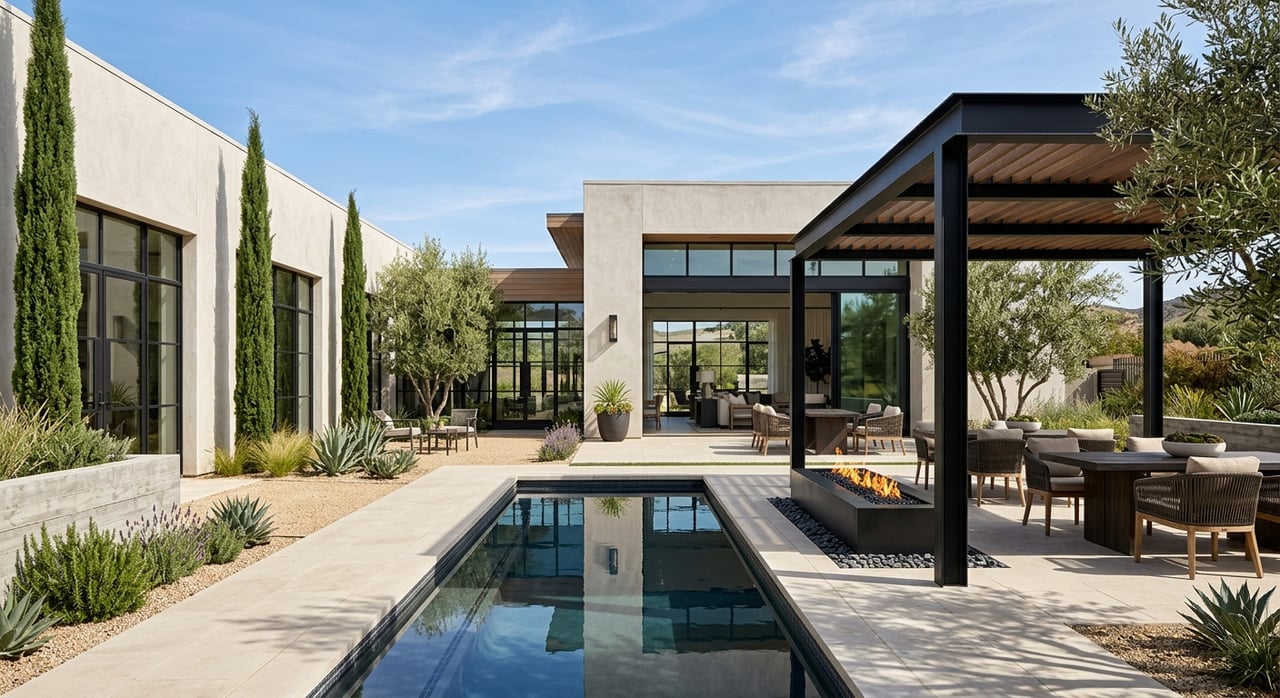
If you are comparing homes in Riverlakes and Grand Islands, the amenities can look like a major selling point at first glance. Pools, lake access, gated entries, club spaces, and security features all shape how a community feels, but they also affect what you pay and how buyers judge value later. The real question is not whether amenities matter, but how much they matter to you and to the next buyer. Let’s dive in.
Amenities can influence value because they change both lifestyle and market appeal. When a community offers features buyers actively want and the HOA maintains them well, those features can help support stronger pricing and resale interest.
Research on HOA communities shows that amenities and gated features can be reflected in sale prices, but the impact is not automatic. One study found HOA homes sold at about a 5% premium in Florida, while a Community Associations Institute literature review noted that gating has been associated with 7% to 24% premiums in some U.S. regions. At the same time, high dues or restrictive rules can reduce that benefit.
That is the right lens for Riverlakes and Grand Islands. In both neighborhoods, the amenity package is visible and meaningful, but buyers still weigh those benefits against monthly costs, access rules, and how often they expect to use what the HOA provides.
Riverlakes Ranch is a master-planned lake community in northwest Bakersfield. According to the HOA, the community surrounds a 17-acre lake for the exclusive use of 1,321 homeowners and includes a private clubhouse, three pools, two Jacuzzis, five pocket parks, and walking paths.
The HOA also states that homeowners can fish, boat, and use the private Beachclub. That creates a lifestyle package that stands out in the Bakersfield market because it is not just about having a pool or park nearby. It is about access to a lake-centered setting with recreation built into day-to-day ownership.
For value, that matters in a few ways:
Riverlakes also benefits from its connection to a public golf-course setting. That said, the distinction is important. The HOA owns and maintains the lake and Beachclub, while the golf course nearby is a separate public feature, so buyers may value golf-course views and location differently than HOA-owned amenities.
Grand Island Place and Seven Oaks at Grand Island present a different amenity profile. Public listings describe features such as gated access, a community pool, clubhouse or community center, BBQ area, park or playground, jacuzzi spa, and security or guard service.
That setup tends to appeal to buyers who place a premium on controlled access, shared recreation, and maintained common areas. In some cases, homes also sit in golf-course settings, but the amenity mix can vary by tract and by lot. That means two homes in the broader area may not offer exactly the same ownership experience, even if they share the same neighborhood name.
From a resale standpoint, Grand Islands often benefits from:
For sellers, those features can help tell a clear lifestyle story. For buyers, they can justify paying more when the community presentation, access, and upkeep align with what they want.
While both communities offer HOA-driven amenities, they deliver value in different ways. Riverlakes leans more heavily on lake living and private recreation, while Grand Islands often emphasizes gated access, shared facilities, and a more controlled entry environment.
Here is a simple side-by-side look:
| Community | Notable Amenities | Typical HOA Dues | Value Driver |
|---|---|---|---|
| Riverlakes | 17-acre lake, Beachclub, clubhouse, 3 pools, 2 Jacuzzis, parks, walking paths | About $40 to $75/month | Lake lifestyle and private recreation |
| Grand Islands | Gated access, pool, clubhouse/community center, BBQ area, park/playground, spa, security/guard service | About $100 to $131/month | Gated setting and shared community amenities |
This does not mean one community is “better” than the other. It means each one speaks to a different buyer preference, and that preference is what helps determine value.
Amenities are never free. The most practical way to judge their impact on value is to compare what they add to your daily life against what they add to your monthly cost.
Public listings suggest Riverlakes HOA dues commonly run about $40 to $75 per month, depending on the tract or property type. Those dues are often tied to access and upkeep related to the clubhouse, pool areas, lake access, playgrounds, trails, and some patrol or security-related services.
In Grand Island Place and Seven Oaks at Grand Island, public listings show higher dues, roughly $100 to $131 per month. Those fees are often tied to features such as association pool access, park space, landscape maintenance, and security or guard service, with some listings also mentioning clubhouse space, BBQ areas, jacuzzi spa, and playgrounds.
Riverlakes also includes smaller administrative charges tied to amenity use. The HOA lists a $20 pool or spa card key, a $25 after-hours opening and closing fee for Beachclub reservations, and a refundable $200 reservation deposit.
These details matter because buyers do notice carrying costs. If you will regularly use the lake, pools, clubhouse, or gated features, the dues may feel reasonable. If you will rarely use them, the same dues may feel like a drag on monthly affordability.
If you are buying in Riverlakes or Grand Islands, do not stop at the listing photos. You want to understand whether the amenities fit your actual lifestyle, not just your wish list.
Ask yourself:
That last point is important. In Riverlakes, boat registration rules, fishing permits, and amenity access procedures show that the lifestyle comes with structure. For many buyers, that is part of the appeal. For others, it may feel too restrictive.
If you are selling in either neighborhood, the best resale message is usually a combination of lifestyle plus upkeep. Buyers respond to amenities most strongly when they can see how those features improve daily living and when the community appears well maintained.
In Riverlakes, that may mean highlighting:
In Grand Islands, it may mean highlighting:
The goal is not to promise an automatic premium. The smarter approach is to show buyers why the amenity package is relevant, useful, and worth paying for in this specific property.
Amenity value also depends on whether buyers are active in the neighborhood overall. Recent market snapshots suggest both communities are in healthy buyer pools where lifestyle features can influence decisions.
In March 2026, Riverlakes had a median sale price of $413,000, 26 days on market, and a 99.3% sale-to-list ratio. Seven Oaks at Grand Island showed a median sale price of $725,000 and 34 days on market in the same period.
Those figures do not isolate an exact amenity premium. What they do show is that both neighborhoods attract active buyer interest, and in active markets, community features often help buyers narrow their choices faster.
HOA amenities in Riverlakes and Grand Islands can absolutely support home value, but only when they line up with what buyers want and what the HOA maintains well. The lake, Beachclub, pools, parks, gated features, and club spaces all add something real to the ownership experience, yet that added value is balanced against dues, fees, and rules.
If you are buying, the key is to decide whether the amenities fit your life well enough to justify the cost. If you are selling, the key is to position your home within the lifestyle buyers are already shopping for.
When you want a clear read on how neighborhood amenities affect pricing in your specific part of Bakersfield, working with an experienced local advisor makes a difference. For tailored guidance on Riverlakes, Grand Islands, and other Bakersfield micro-markets, connect with Jeff Bussman.

Get assistance in determining current property value, crafting a competitive offer, writing and negotiating a contract, and much more. Contact Jeff today.