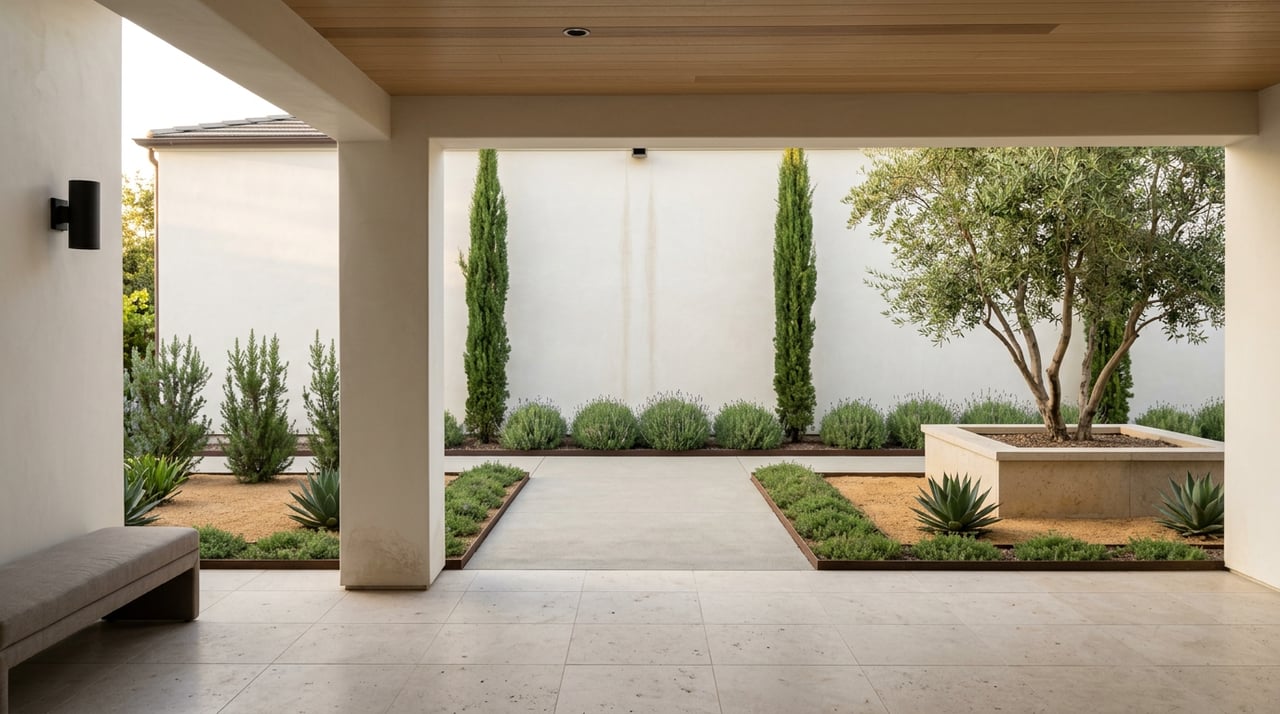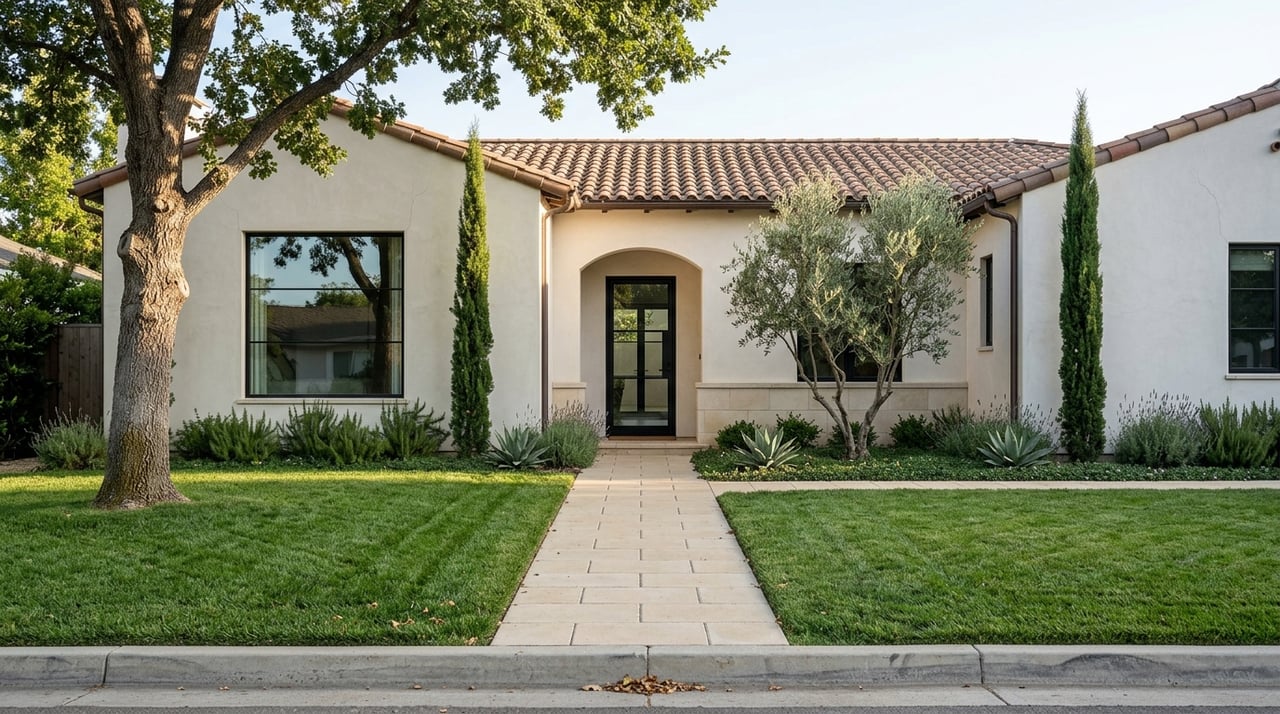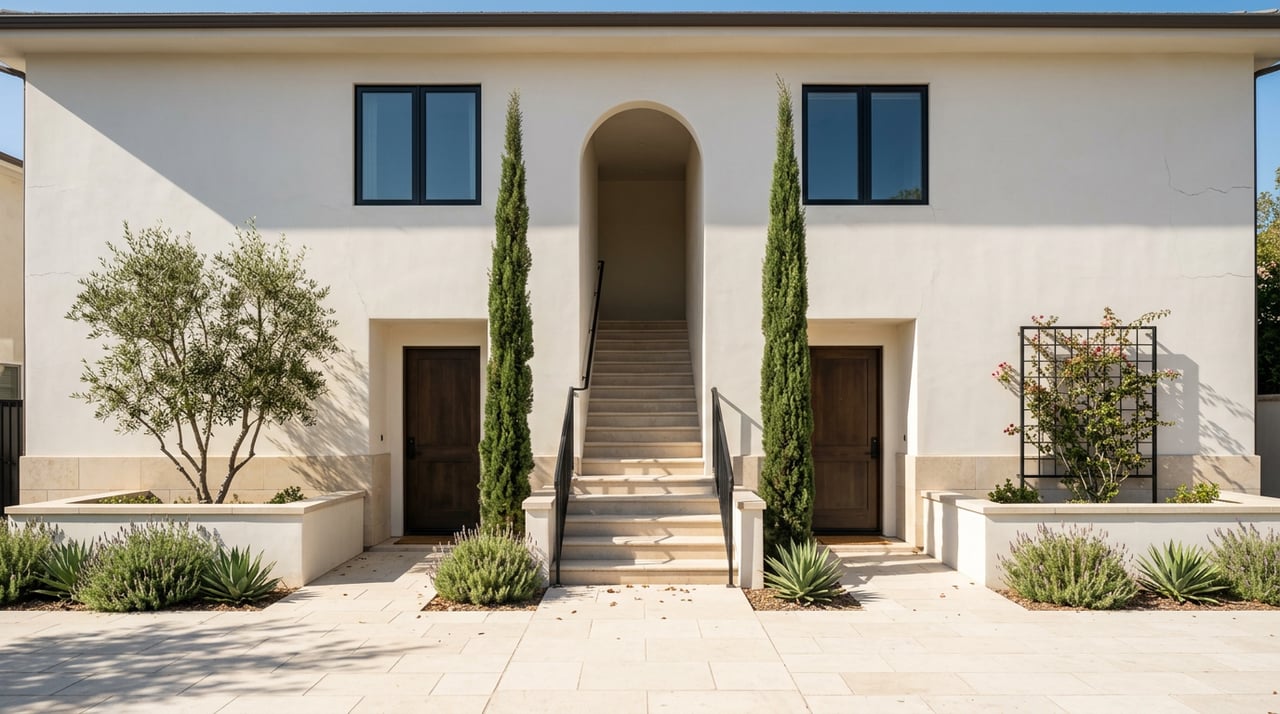
Symmetrical stucco apartment courtyard with black-framed windows, central stairs, and neat planting.

Guide To Small Multi-Family Investments In Bakersfield

March 24, 2026

Want steady cash flow without coastal prices? If you are weighing a duplex, fourplex, or a small apartment building in Bakersfield’s West or Northwest, you are in the right place. In this guide, you will learn what to buy, the numbers to watch, how local submarkets differ, and the exact steps to underwrite, finance, and close. Let’s dive in.

Why small multifamily in Bakersfield

Bakersfield is a value market where income and pricing still pencil for many investors. Recent Central Valley data shows multifamily vacancy around 6.2% in Q2 2025, average asking rent near $1,397 per unit, and sale prices per unit clustered in the low to mid $100,000s. You can review these signals in the latest Central Valley multifamily report for context and trendlines (Q2 2025 market report).

Consumer rent trackers often show Bakersfield’s citywide averages in the low to mid $1,500s, though these figures vary by source and month. Use them only as a top‑down check and always confirm block‑level comps before you underwrite (Bakersfield average rent trends). Because new construction is fairly shallow compared with coastal metros, local demand and affordability support stable occupancy when you buy the right product in the right ZIP.

West and Northwest at a glance

Investors often focus on West and Northwest Bakersfield for stable renter demand and newer housing stock. ZIPs 93312 and 93314 in the Northwest and areas around Stockdale and parts of 93304 and 93309 on the West side include many neighborhoods that attract long‑term renters. Keep your rent comps tight to the same ZIP or nearby block groups, since micro‑location and school boundaries can influence achievable rents and tenant profiles.

Property taxes and special assessments can vary by tract. Before you finalize an offer, estimate taxes for that exact parcel using the county tool (Kern County tax estimator).

What you can buy

  • Duplex, triplex, and fourplex properties that appeal to both investors and owner‑occupants.
  • Small garden‑style or courtyard apartments, often 5 to 50 units, common across Bakersfield’s central and west corridors.
  • Value‑add buildings with older interiors, where moderate renovations can support rent steps and better collections.

For stabilized assets, recent Bakersfield sales and listings often fall in the roughly 120,000 to 150,000 dollars per unit band, with duplexes at wider spreads and mid‑sized properties more consistent. Actual pricing depends on unit mix, condition, and location.

Underwriting like a local

Key metrics and Bakersfield ranges

  • Net Operating Income (NOI): Gross scheduled rent plus other income, minus vacancy and operating expenses. Analyze both trailing‑12 and pro forma.
  • Cap rate: NOI divided by price. In Bakersfield, investor expectations often range from about 5% into the higher single digits depending on class and location (Central Valley investor cap signals).
  • Price per unit: A quick valuation yardstick. Many 2024–2025 small multifamily trades in Bakersfield have clustered around the low to mid $100,000s per unit.
  • Operating expense ratio: Expenses as a percent of gross income typically run in the mid‑30s to mid‑40s for apartments, trending higher for older or smaller buildings. Build a realistic capex reserve into your model (expense ratio context).
  • GRM and DSCR: Screen with GRM, but make your decision on NOI and DSCR. Stress test your model with slightly lower rents and slightly higher expenses.

Quick screen checklist

  • Pull a current rent roll and confirm deposits, lease terms, and concessions.
  • Underwrite vacancy near current market conditions and verify actual utility costs.
  • Adjust price per unit by unit size, bed/bath mix, and recent capital improvements.
  • Plan for professional management or self‑management and reflect that in expenses.

Financing options by unit count

1–4 units (residential lane)

Owner‑occupants can often access more favorable down payments. FHA allows as low as 3.5% down on qualifying 1–4 unit purchases when you live in one unit, subject to county loan limits and credit guidelines (FHA loan limits and basics). Conventional options can also work for owner‑occupants, while non‑owner investors should expect larger down payments and reserves. Lenders may count a portion of in‑place rents for qualifying on 2–4 unit properties, so speak with a loan officer early (what lenders look for on 2–4 units).

5+ units (commercial lane)

Five units and up are financed as commercial multifamily, where lenders focus on NOI, DSCR, and tenant mix. Terms vary by lender type and asset quality. If you plan a value‑add strategy, some investors use short‑term or bridge financing, then refinance once renovations and rent increases season.

Due diligence and common red flags

Gather these items before you write or accept offers:

  • Rent roll with copies of current leases and proof of deposits.
  • Two years of P&Ls and owners’ Schedule E tax returns.
  • Utility bills and a clear statement of who pays what.
  • Maintenance records, property management agreements, and any vendor contracts.
  • Zoning and permits, including any ADU or conversion approvals.
  • Property tax history and a forward estimate for the current TRA and assessments (Kern County tax estimator).

Watch for red flags such as significant deferred maintenance, unpermitted unit conversions, unclear utility cost allocations, or potential environmental exposure. In some locations, a Phase I environmental report is a smart add.

Exit strategy and marketing

Your exit should guide your entry. For 2–4 units, the MLS often reaches both owner‑occupants and small investors. For 5+ units, commercial marketplaces and broker networks drive most buyer traffic, and an offering memorandum helps qualify inquiries (how listings appear on LoopNet).

If you plan a 1031 exchange, engage a qualified intermediary before closing to follow the 45‑day identification and 180‑day exchange windows. Review the IRS guidance and confirm details with your tax advisor (IRS Publication 551).

Your next 7‑day action plan

  1. Get documents in hand. Ask for a signed rent roll, 12 months of operating bank statements, and recent P&Ls.
  2. Build a conservative pro forma. Use current market vacancy, an expense ratio in the mid‑30s to mid‑40s, and add a capex reserve.
  3. Pin down financing. Speak with two or three local lenders about residential options for 2–4 units or commercial terms for 5+ units (FHA basics).
  4. Walk the asset. Schedule inspections for building, pest, and major systems. Consider a Phase I environmental if the site history suggests it.
  5. Re‑check rent comps inside the same ZIP or nearby block groups before final pricing.

If you want a steady, experienced hand to help you source, underwrite, and negotiate, reach out to Jeff Bussman for a focused investor consultation. With 33 years in Bakersfield and a boutique, full‑service approach backed by Coldwell Banker marketing, you get clear advice and professional execution from start to finish.
FAQs

What are typical cap rates for small multifamily in Bakersfield?

  • Investors commonly target cap rates from about 5% into the higher single digits, depending on property class, condition, and location.

What are current vacancy and rent levels in Bakersfield?

  • Recent regional data shows vacancy around the mid‑single digits and average asking rent near the low $1,400s per unit, with citywide averages on some trackers a bit higher.

How much per unit should I expect to pay for a stabilized building?

  • Many 2024–2025 small multifamily trades and listings cluster near roughly 120,000 to 150,000 dollars per unit in Bakersfield, with wider spreads for very small buildings and value‑add deals.

What operating expense ratio should I use in my pro forma?

  • A practical baseline is the mid‑30s to mid‑40s percent of gross income, adjusted up for older assets and small properties, plus a separate capex reserve.

What financing is available if I live in one unit of a fourplex?

  • Owner‑occupants often use FHA or conventional 1–4 unit loans, with FHA allowing as low as 3.5% down for qualifying borrowers and some lenders counting a portion of rental income when you qualify.

Work With Jeff

Get assistance in determining current property value, crafting a competitive offer, writing and negotiating a contract, and much more. Contact Jeff today.