Economic Anchors Shaping Brighton–Hartland Housing
October 16, 2025
Looking at homes in Brighton–Hartland and wondering what truly drives value here? In this market, steady employers, new local governance rules and the Saint John River all play a role in what you can buy, how fast it sells and how you should plan. If you understand these anchors, you can make better choices whether you are buying, selling or investing. Here is a clear, local guide to the forces shaping housing demand, supply and pricing so you can move with confidence. Let’s dive in.
In 2023, New Brunswick launched a province-wide local-governance reform that expanded Hartland’s boundaries and shifted planning, zoning and service delivery to the town level. That change matters because it consolidates who approves new lots, manages bylaws and sets the tax rate. Hartland now represents roughly 3,800 residents and uses ward-based representation so former rural areas have a voice. These updates all influence where homes can be built, what services you receive and your carrying costs as an owner.
Brighton–Hartland’s housing demand rests on a mix of food processing and potato agriculture, light manufacturing, logistics, and public-sector services. Together they support year-round jobs, seasonal hiring and short commutes that favor local ownership and steady rental needs.
Old Dutch’s processing site in Hartland and nearby McCain operations in Florenceville create a regional cluster that buys local potatoes and employs residents. These plants support both permanent and seasonal roles, which translate into demand for single-family homes and worker rentals. You can browse local business listings to get a feel for the employer base through the town’s business directory.
Craig Manufacturing, headquartered in Hartland, adds stable skilled-trade and production jobs. This segment supports owner-occupier demand and entry-level rentals for workers coming into the area.
Day & Ross, founded in Hartland, and access to Route 2 support trucking, warehousing and maintenance jobs. Highway access also broadens buyer search areas for people who commute to nearby centers. Read more about the company’s operations here: Day & Ross company news.
The Upper River Valley Hospital in Waterville serves the region, drawing clinical and support staff who prefer short commutes. Education and training add to that base, with Hartland Community School and regional trades programs in Woodstock. Hospital details are here: Upper River Valley Hospital.
Across New Brunswick, recent board data show rising provincial metrics, with single-family medians and benchmarks in the low to mid 300-thousand-dollar range through 2024–2025. The Northern and Valley region, which includes Carleton County, typically sits below the larger urban centers. For current provincial and regional snapshots, check the CREA and New Brunswick board statistics.
Hartland’s owner-occupancy rate is high, around 72 percent, and median household incomes sit in the mid 60-thousand-dollar range. The area has a larger share of residents aged 55 and older, which supports ongoing downsizing and one-level living trends. Commutes average about 19 minutes and are car dominant, which keeps demand focused on in-town single-family homes and nearby rural properties. See local profile highlights here: Hartland demographics overview.
Post-2023, Hartland’s council and the Western Valley Regional Service Commission oversee zoning and development approvals for formerly rural areas. That centralizes decisions on new subdivisions, infill and servicing, which can either speed up or slow down new supply. Agricultural land and potato production remain important land uses in Carleton County, so farmland protection and lot-severance rules can limit where greenfield projects appear. In a small market with modest new-build volume, these planning choices directly affect inventory and price pressure.
The Saint John River has a history of spring ice jams and flooding around Hartland, with past events affecting Main Street properties and local infrastructure. That risk can influence insurance options, elevation requirements and buyer perception of riverfront homes. A recent peer-reviewed study on the river’s ice regime provides useful context: ice-jam and flood research.
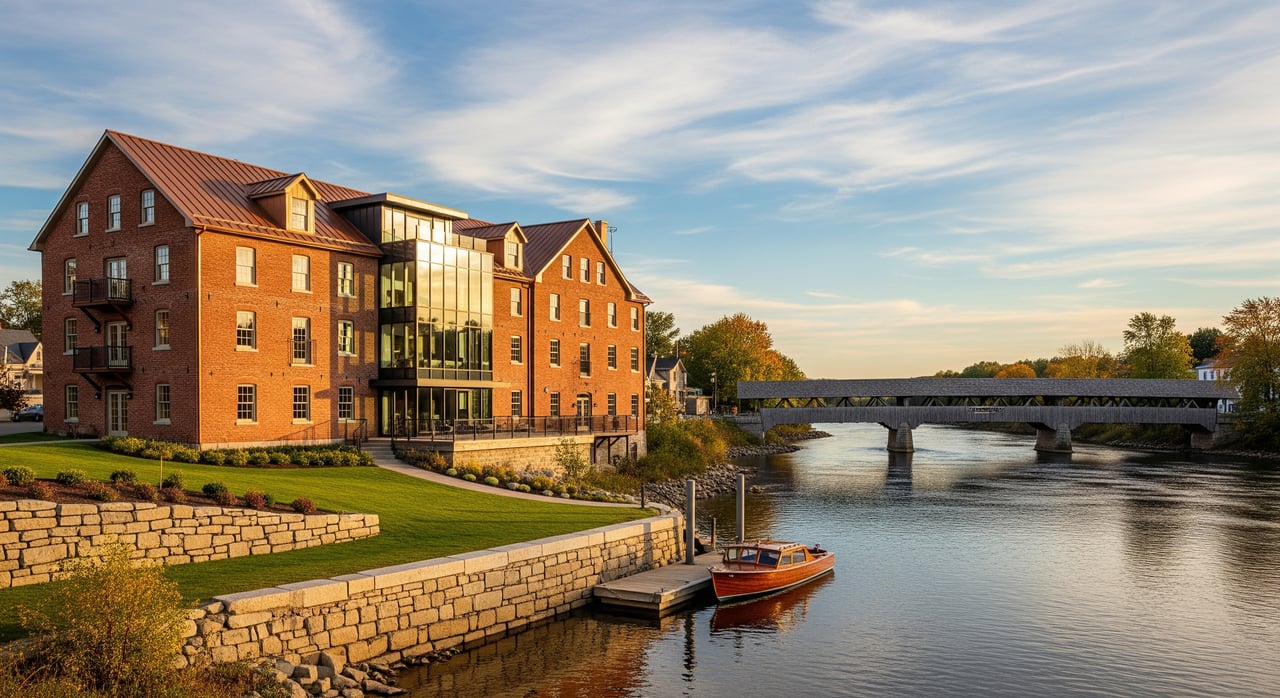
Hartland’s covered bridge is a cultural landmark and tourism draw. It operates with a posted load limit and single-lane traffic, so heavy vehicles detour to the nearby Hugh John Flemming Bridge. Traffic patterns and truck routing can affect noise and convenience on certain access streets. Learn about the bridge’s operations and history here: Hartland Covered Bridge.
Tax rates differ by former service-district areas, and costs for policing, waste and regional services changed with amalgamation. Always confirm the current municipal tax rate and service level for a specific property before you write an offer. Hartland’s notices explain these differences and are updated when rates change.
Ready to apply these local drivers to your plan? For a clear strategy and steady guidance, connect with Jeff Bussman for a conversation about your next move.






Get assistance in determining current property value, crafting a competitive offer, writing and negotiating a contract, and much more. Contact Jeff today.